
Text and Photos by: Kadlah Nabakembo
The air at Hotel Africana in Kampala was rich with energy, ideas, and the unmistakable aroma of organic produce as Uganda hosted the 4th National Organic Week (NOW) 2025 from November 5–8. The gathering, themed “Organic Agriculture Pathway to CAADP Implementation and Trade Integration in Africa and Beyond,” brought together policymakers, farmers, entrepreneurs, researchers, and innovators all united by a shared belief that: Africa’s prosperity can grow from its own fertile soils.
Hosted by NOGAMU: A Vision of Leadership and Collaboration
The week long event was hosted by the National Organic Agricultural Movement of Uganda (NOGAMU) under the dedicated leadership of Mr. Chariton Namuwoza, Chief Executive Officer. With his team, Mr. Namuwoza successfully convened Uganda’s largest gathering of organic agriculture champions a space where voices of farmers, incubators, youth innovators, and policymakers converged to shape the future of organic agribusiness.
“When we started, organic farming was just an idea shared among a few believers,” said Mr. Namuwoza during his welcome remarks. “Today, it is a growing movement that defines who we are as farmers, as entrepreneurs, and as stewards of our environment. Our goal is to make organic a lifestyle, a business, and a contribution to sustainable trade in Africa.”
Under his leadership, NOGAMU continues to champion innovation, dialogue, and partnerships, creating platforms that connect local producers to regional and global organic markets.
The Guest of Honour: A Call to Nurture Uganda’s Natural Gift

The event was officially opened by Rt. Hon. Rukia Nakadama, the Third Deputy Prime Minister and Guest of Honour for Day One, who also presided over the grand opening of the National Organic Week. Her presence symbolized government’s recognition of organic agriculture as a cornerstone of sustainable development and food security in Uganda and beyond.
In her address, Rt. Hon. Nakadama applauded NOGAMU and its partners for championing a movement that goes beyond production to include innovation, youth participation, and market-driven enterprise. She emphasized the importance of aligning organic agriculture with national and continental frameworks such as CAADP, noting that
“Uganda’s strength lies in what we already have fertile land, diverse ecosystems, and a hardworking people. We must use these gifts wisely to create value and trade opportunities for generations to come.”
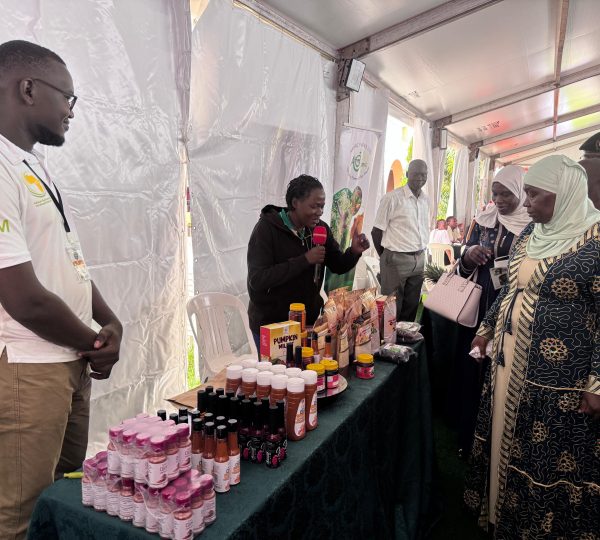
Representing the President of the Republic of Uganda, Hon. Hajjat Minsa Kabanda, Minister for Kampala and Metropolitan Affairs, officially opened the event with a heartfelt reminder of the country’s natural wealth.
“When you read books by Henry Morton Stanley, you learn that Uganda’s fertile soils were celebrated long before our time,” she said. “We have been gifted since day one and it is our duty to protect and use these resources to feed our people and trade sustainably with the world.”
Her remarks set the tone for a week blending heritage, innovation, and the promise of a greener, self-reliant economic future.
Research, Innovation, and the Power of African Unity
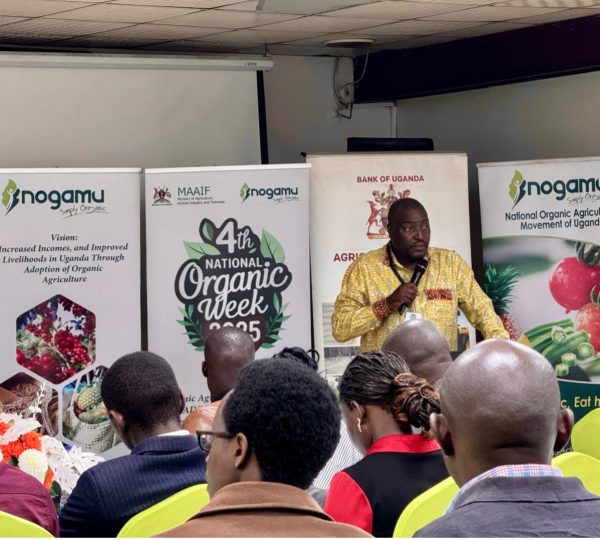
In his keynote address, Prof. Alex Ariho, CEO of the African Agribusiness Incubators Network (AAIN), called for stronger collaboration and innovation across Africa’s organic value chains.
“We can’t trade when Africa is still trading alone,” he said. “We must come together to address food security everyone deserves food on the table. It’s painful to see young people celebrate getting visas to leave for labor; we need to create opportunities here, through research and innovation.”
He emphasized the “three As” Affordability, Availability, and Accessibility as guiding principles for sustainable agribusiness growth, adding that “Africans must be empowered economically, not through aid but through enterprise.”
His call resonated deeply with the audience, particularly the youth and women-led enterprises, who saw in incubation a bridge between ideas and inclusive economic transformation.
Government’s Commitment to Organic Excellence
Mr. Alex Lwakuba, Commissioner for Crop Production at the Ministry of Agriculture, Animal Industry and Fisheries (MAAIF), reaffirmed government’s dedication to supporting organic certification, standards, and trade.
“Organic agriculture is not an alternative it is the future of production,” he noted. “Uganda can become a continental model by investing in quality assurance, research, and market access. This is how we create lasting value for our farmers and our nation.”
He encouraged deeper collaboration between government agencies, private sector players, and incubators to commercialize organic innovations and technologies. His remarks reinforced the government’s alignment with CAADP goals, ensuring that Uganda remains at the forefront of Africa’s transition toward sustainable food systems.
Global Voices Join the Movement
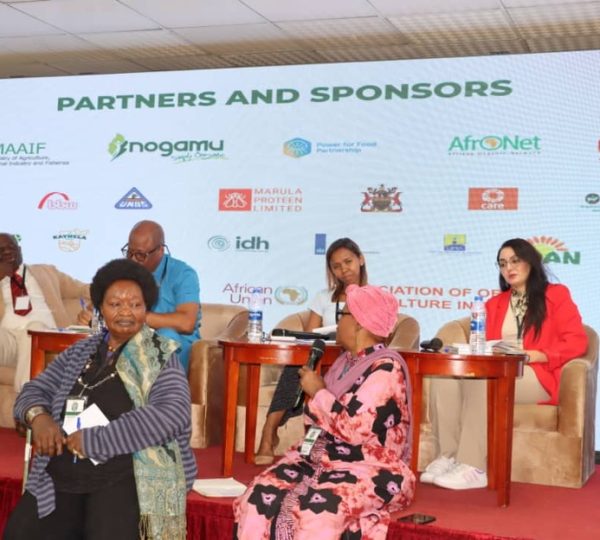
The National Organic Week also featured enriching presentations from international partners. BBW International, a partner organization from Germany, shared best practices and innovative models for training and youth engagement in organic agriculture and green entrepreneurship.
Their presentation highlighted how international cooperation can strengthen local incubation systems and promote skills transfer empowering young Africans to innovate within their own contexts.
“We were inspired by the creativity and commitment we’ve seen in Uganda’s organic ecosystem,” said one BBW representative. “The collaboration between government, incubators, and private enterprises here is a model worth learning from.”
Their contribution reinforced the global dimension of the organic movement proving that sustainability knows no borders.
AAIN’s Contribution: Empowering Incubators for Impact
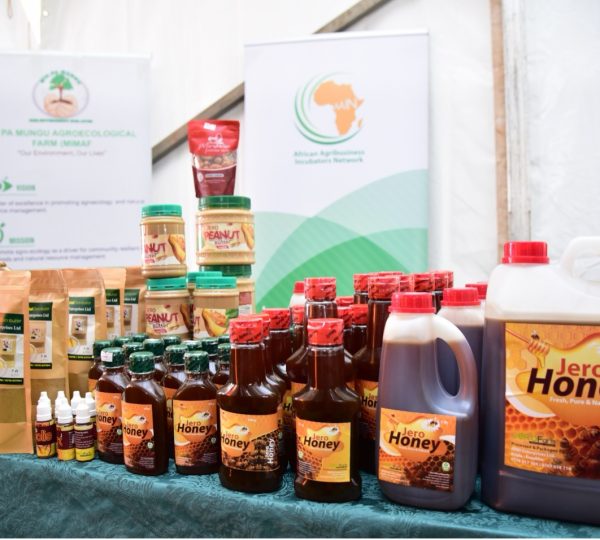
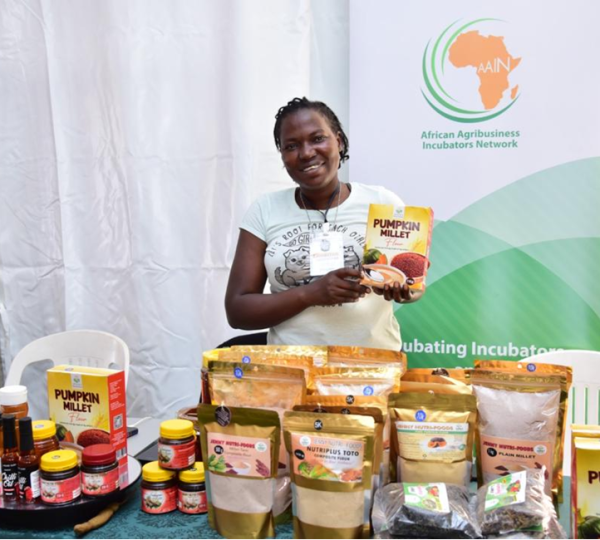
As part of its commitment to strengthening agribusiness ecosystems, AAIN sponsored six incubators to participate in the National Organic Week 2025. These incubators represented Uganda’s vibrant regional diversity and demonstrated the power of incubation in scaling organic innovation.
The incubators included:
- Rwampara Farm Institute – Western Region
- Mushroom Training and Resource Centre – Western Region
- Jero Mixed Farm – Central Region
- House Ojok – Northern Region
- Mich PA Mungu Agroecological Farm – West Nile Region
- Gulu Hands of Women Foundation – Northern Region
- Ubora Specialty Crops Ltd – Eastern Region
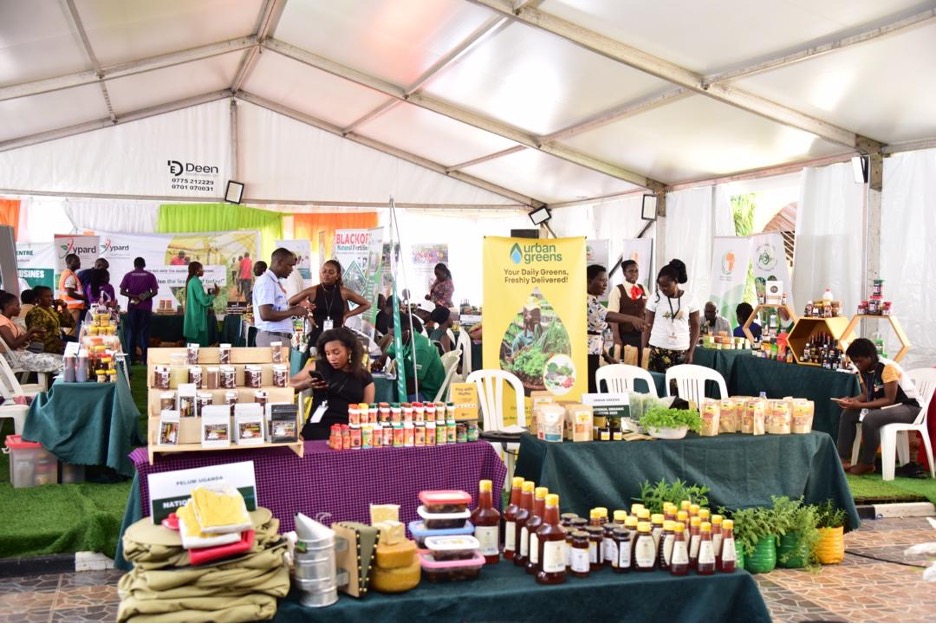
Each showcased their unique organic products from herbal teas, mushrooms, and compost fertilizers to eco-friendly skincare and high-value crops. The exhibition created a platform for the incubators to expand their markets, build networks, and strengthen their brands.
“These incubators represent the heartbeat of Africa’s innovation,” said Prof. Ariho. “They prove that when we invest in young entrepreneurs, we invest in Africa’s self-reliance and resilience.”
From Dialogue to Action: The Road Ahead
The week concluded with a renewed sense of purpose to turn insights into implementation. Delegates reaffirmed their commitment to strengthening regional trade, invest in research, and mainstream organic agriculture into Africa’s policy and market frameworks.
“Organic agriculture isn’t just about producing food,” one panelist summarized. “It’s about creating dignity, building wealth, and securing Africa’s place in global trade.”
AAIN remains constant in advancing this vision through innovation, incubation, and inclusive agribusiness models that empower youth and women across Africa.
“Our goal,” Prof. Ariho concluded, “is to see African agripreneurs leading not only in organic production but also in shaping sustainable markets that reflect Africa’s values equitable, inclusive, and homegrown.”