
SIYEP
- Home
- SIYEP

Rosalina D. William
- Email info@webexample.com
- Phone 980-786-098-09
- Address 12/A, Miranda City Hall, NYC
- Website www.webexample.com
Sustainable Inclusive Youth Employment Pathways (SIYEP)

Transforming Youth Employment in Uganda: AAIN’s Systems Leadership under SIYEP
Most businesses in Africa tend to prematurely fail and negatively affect the socio-economic development of African countries. Business failure is not attributed to the lack of finance but the lack of appropriate business management skills.Training in business incubation management (BIM)on the African continent – called BIM Africa – is being promoted by the African Agribusiness Incubators Network (AAIN) based in Accra, Ghana.
African Agribusiness Incubators Network (AAIN) has been supporting innovative, impact-driven ventures throughout the entrepreneurial journey –from intention to impact at scale – for more than a decade. We have incubated and accelerated hundreds of impact-driven start-ups together with our partners.
ABOUT THE PROGRAM
Uganda’s young women hold immense potential to drive economic transformation. Yet many continue to face barriers to skills development, structured mentorship, and sustainable enterprise growth.
The Sustainable Inclusive Youth Employment Pathways (SIYEP) 2025-2030 programme is addressing this challenge at scale.
SIYEP is a five-year national initiative empowering 258,000 young women across Uganda with market-relevant skills, incubation, mentorship, and enterprise support to unlock sustainable and inclusive employment opportunities.
Led by the Agency for Accelerated Regional Development (AFARD) and implemented by a consortium of seven strategic partners, including the African Agribusiness Incubators Network (AAIN Uganda) with support from the Mastercard Foundation, the programme is building an innovative workforce system that enables young women including refugees and those with disabilities to access dignified work and build thriving livelihoods.
Within this consortium framework, AAIN leads the incubation and enterprise acceleration component strengthening institutions, professionalizing incubation delivery, and embedding structured systems that will outlast the programme itself.
A Consortium Driving Collective Impact
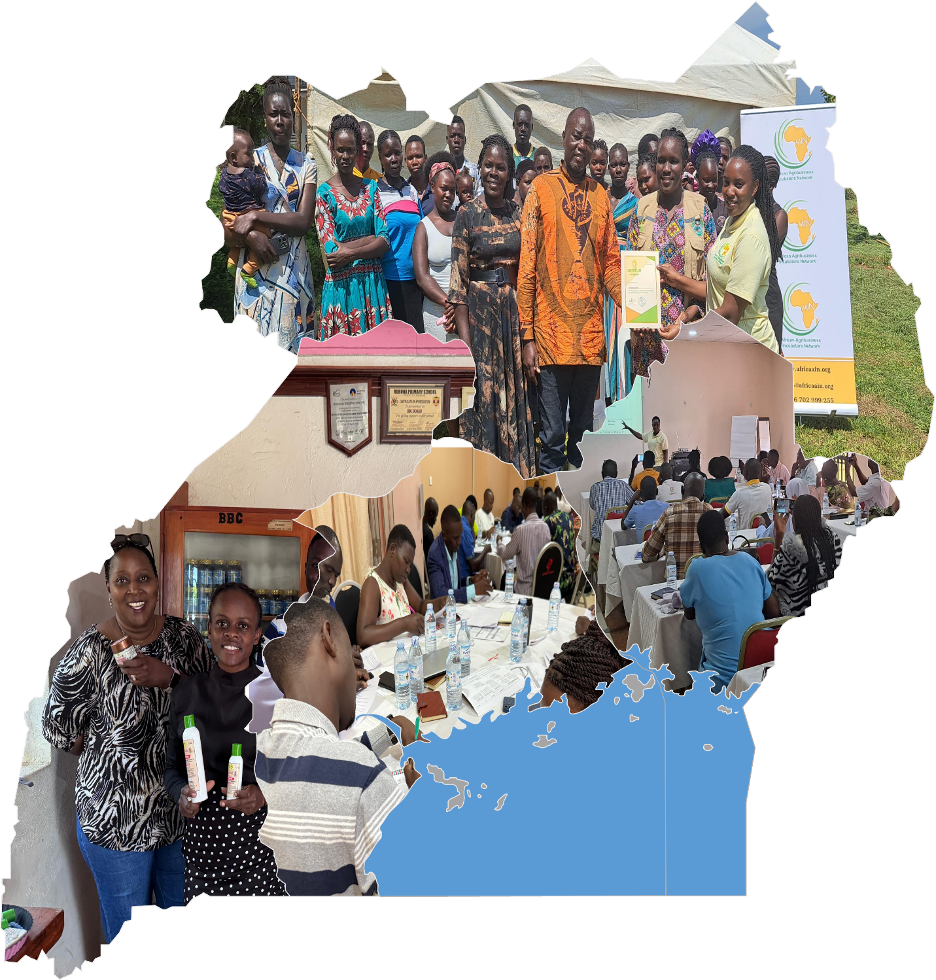
SIYEP’s strength lies in its consortium model – led by AFARD and implemented by seven partners with support from the Mastercard Foundation.
Each partner brings complementary expertise. Within this collective effort, AAIN provides leadership in incubation systems development, institutional strengthening, and digital transformation.
As Clare Kyasimire (AAIN Program Coordinator) emphasizes:
“When institutions are strong, young women are stronger. Our work within the consortium ensures that incubation systems are not temporary interventions but permanent structures for long-term impact.”
SIYEP is building more than enterprises; it is building systems.
Through curriculum harmonization, market-driven incubation models, institutional accreditation, digital innovation, and ecosystem coordination, AAIN is helping shape a resilient and inclusive workforce system for Uganda.
Because when young women succeed, communities prosper, and Uganda moves forward.
The Inception Phase:
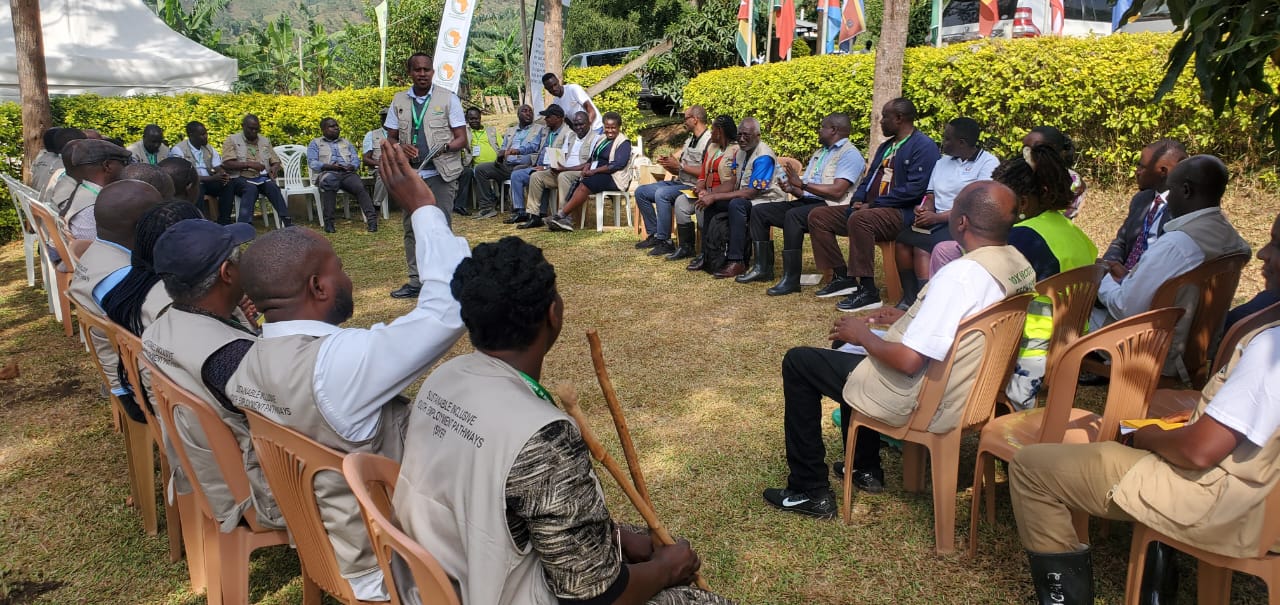
AAIN’s work under SIYEP began with a rigorous inception phase focused on building a strong institutional foundation.
This phase involved:
- Selection of 25 Anchor Incubators across Uganda
- Identification of 105 Twin Incubators to expand reach and peer learning
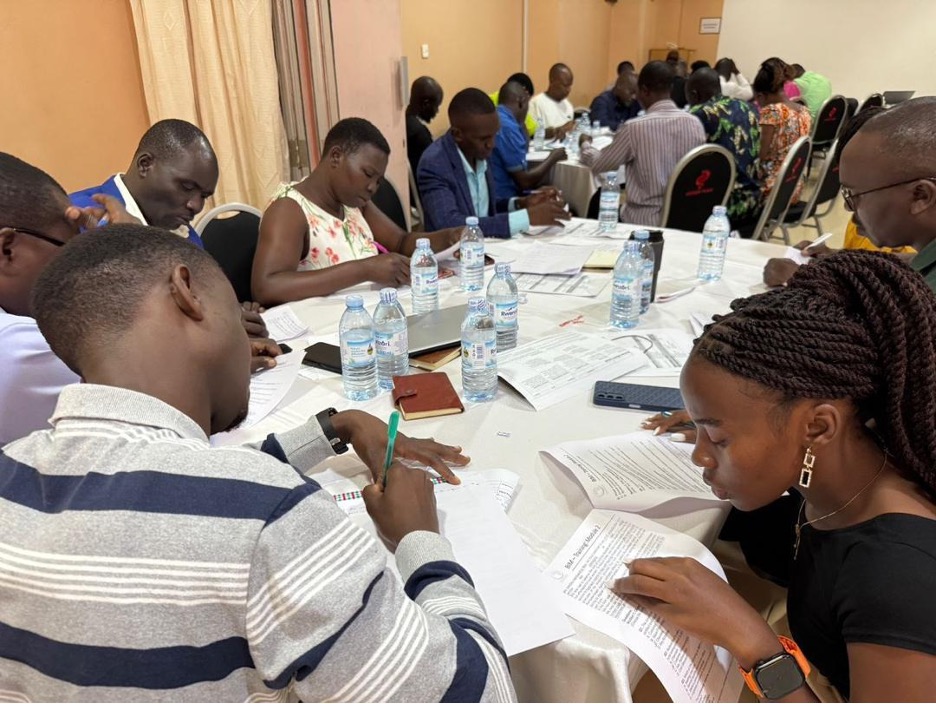
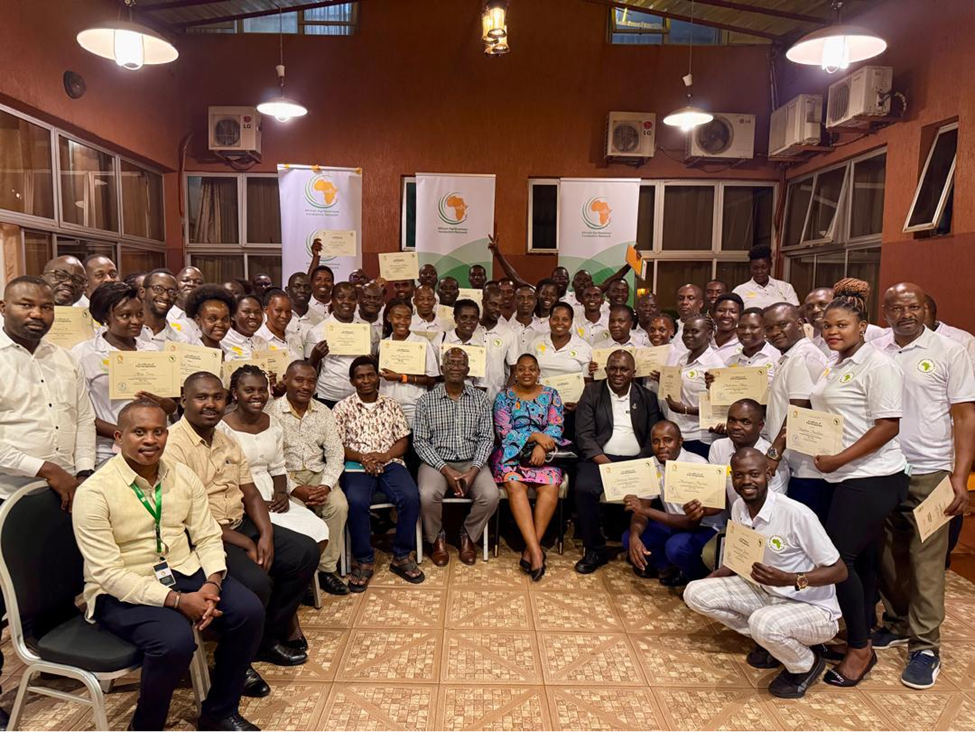
- BIM Training for the incubators
- Engagement of Associates to strengthen ecosystem collaboration
- Mapping of Incubators, Accelerators and ESO’s in Uganda’s ecosystem
- Review and refinement of the incubation curriculum by experts
- Stakeholder consultations and systems alignment
A key partner in this foundational phase was the National Agricultural Research Organisation (NARO), which contributed technical expertise.
According to Clare Kyasimire, SIYEP Project Coordinator at AAIN:
“The inception phase was critical. We were not simply selecting institutions; we were designing a national incubation structure. By identifying anchor and twin incubators and engaging ecosystem associates, we laid the groundwork for a coordinated and sustainable incubation network.”
This structured approach ensures that incubation delivery is standardized, scalable, and aligned with national workforce priorities.
Launch of the New BIM Curriculum
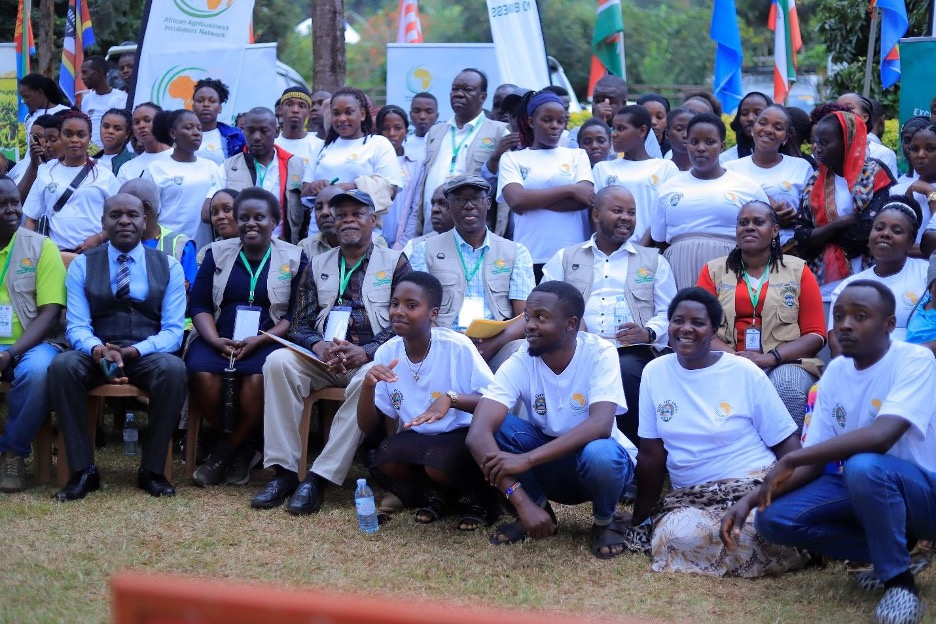
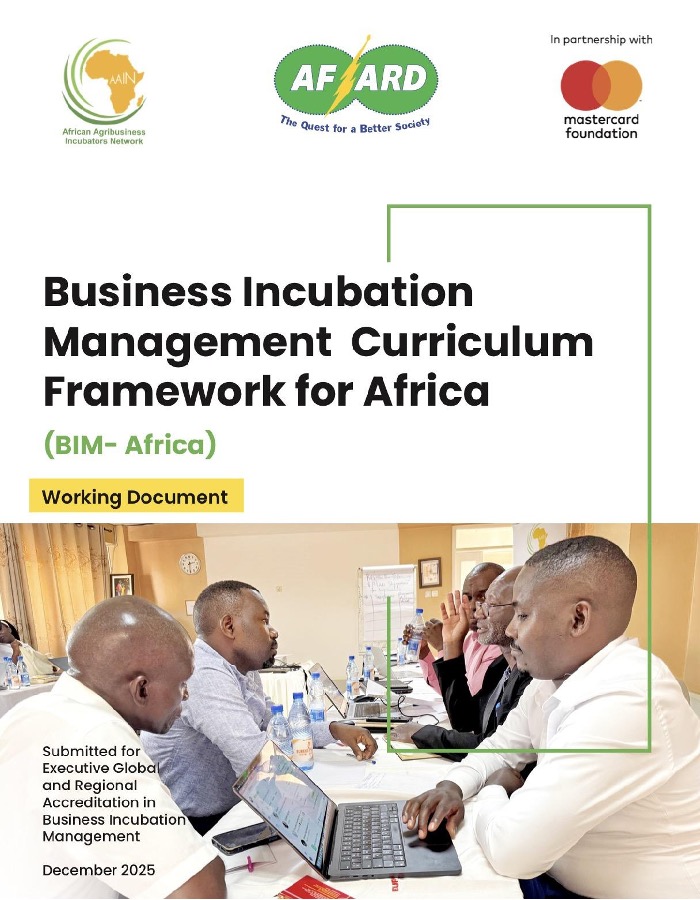
A major milestone in strengthening structured incubation was the official launch of the new BIM curriculum at Bishop Stuart University, officiated by John Mugisha.
The curriculum provides a harmonized and standardized framework for delivering market-relevant skills, structured mentorship, and enterprise development support to young women across all participating incubators.
The launch at Bishop Stuart University symbolized the institutionalization of a unified incubation framework, ensuring that young women across Uganda receive consistent, high-quality support aligned to market realities.
As emphasized during the launch:
“This curriculum strengthens the foundation of incubation delivery by aligning training, mentorship, and enterprise development to real economic opportunities.”
Through this structured curriculum, AAIN is ensuring that incubation is systematic, measurable, and results-oriented.
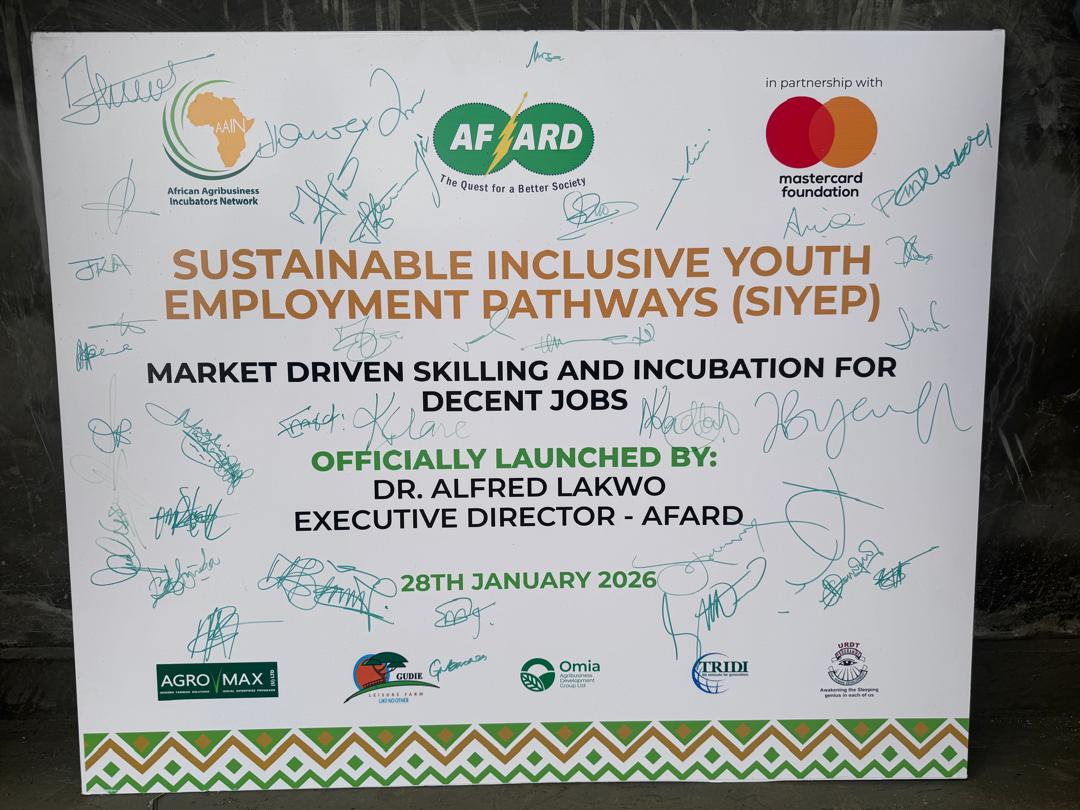
Market-Driven Incubation for Job Creation Model Launched
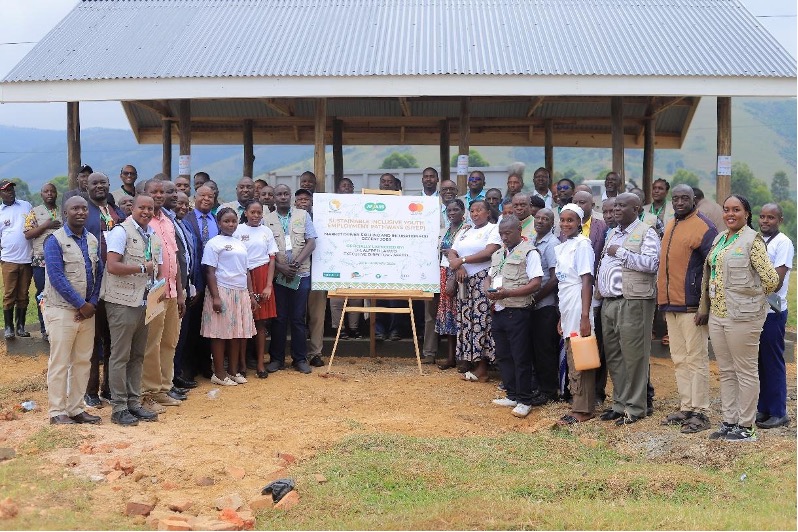
Further strengthening its systems approach, AAIN officially launched the Market-Driven Incubation for Job Creation Model at Rwampara Farm Institute, officiated by Alfred Lakwo.
The model shifts incubation from theory to market alignment, ensuring that enterprises are built around real demand, viable value chains, and sustainable revenue pathways.
Launched in Rwampara, the model underscores the programme’s commitment to rural enterprise transformation and job creation at community level.
The model emphasizes:
- Demand-led enterprise development
- Value chain integration
- Structured mentorship pathways
- Enterprise sustainability beyond grant cycles
- Job creation as a measurable outcome
This approach ensures that incubation leads not just to business formation, but to sustainable employment generation.
Digital Innovation: Omuzeire Africa Launched
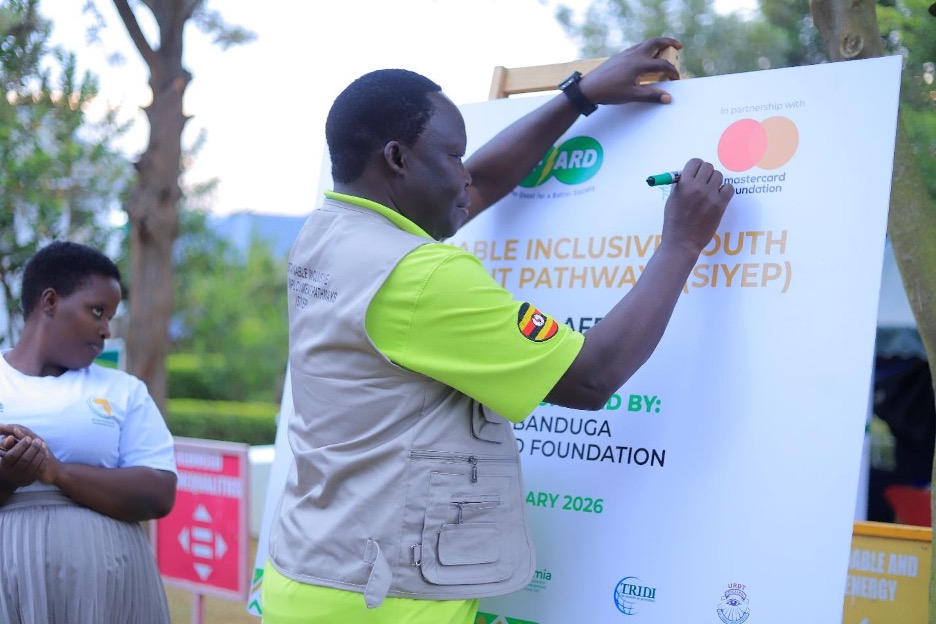
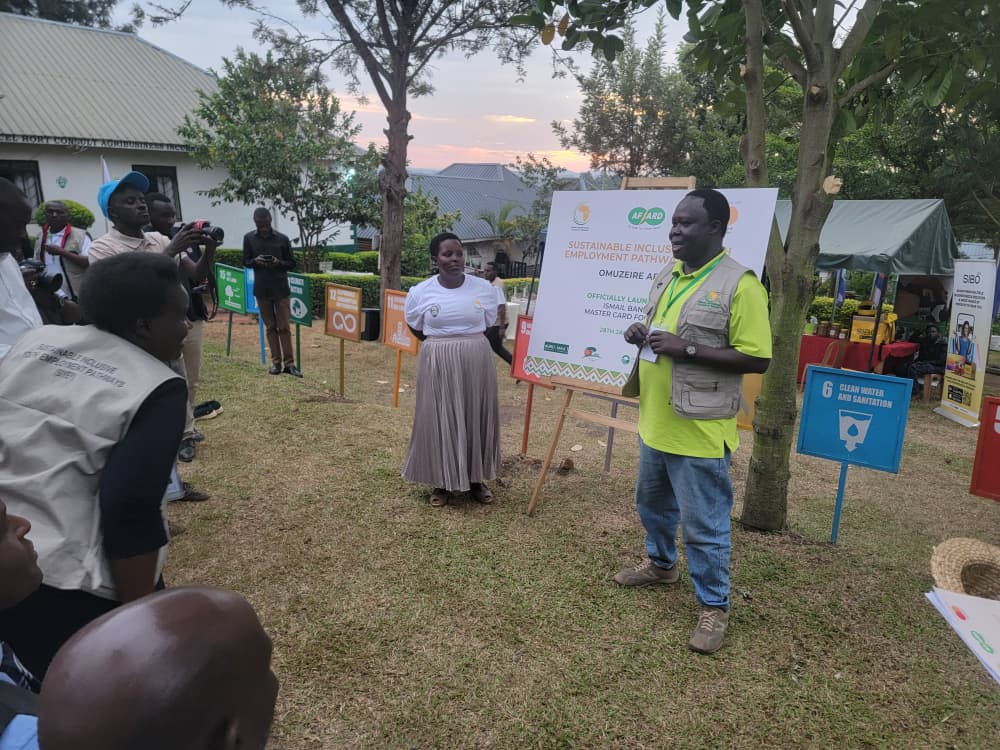
To enhance scalability and reduce operational costs, AAIN developed Omuzeire Africa, a digital mentorship and business coaching platform.
The platform was officially launched on 28th January 2026 at ECHAI, officiated by Ismail Banduga from the Mastercard Foundation, and witnessed by young women beneficiaries and members of the SIYEP Programme Steering Committee.
The launch at ECHAI marked a significant step in AAIN’s digital transformation journey, positioning technology as a core pillar of inclusive incubation delivery.
Omuzeire Africa integrates:
- Online mentorship and coaching
- E-learning modules and assessments
- Digital onboarding and tracking systems
- Incubator accreditation tools
- Cross-regional knowledge sharing
By digitizing incubation systems, AAIN is increasing reach, improving accountability, and strengthening institutional efficiency.
Strengthening Anchor Institutions
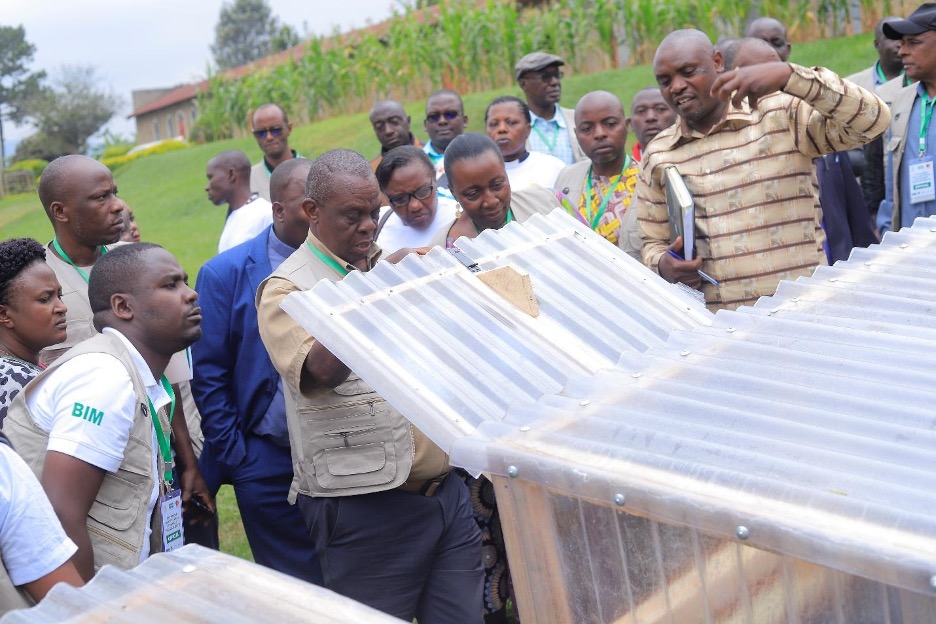
Among the 25 Anchor Incubators selected is Rwampara Farm Institute, which has benefited from structured systems strengthening under SIYEP.
A representative from Rwampara Farm Institute shares:
“Through AAIN’s support under SIYEP, we have strengthened our incubation framework, improved mentorship delivery, and aligned our training to market needs. This has transformed how we guide young women from skills acquisition into viable enterprises.”
By strengthening anchor institutions, AAIN ensures that support structures remain embedded within communities long after the programme concludes.
Empowering Young Women to Thrive
At the centre of SIYEP are the young women whose lives are being transformed.
An incubatee under the programme reflects:
“Through mentorship and structured support, I now understand my market and how to grow my business. I feel confident that I can build something sustainable for myself and my family.”
Through institutional strengthening, digital innovation, and market-driven incubation, AAIN is contributing to a workforce system where young women transition into dignified and fulfilling work.