
Text+Photos by: Kadlah Nabakembo | Kampala, Uganda – April 30, 2026
The African Agribusiness Incubators Network (AAIN) has concluded a high-level partnership meeting with Eng. Hillary Onek, MP and Minister for Relief, Disaster Preparedness and Refugees, aimed at exploring opportunities for collaboration in addressing food system challenges within refugee settlements.
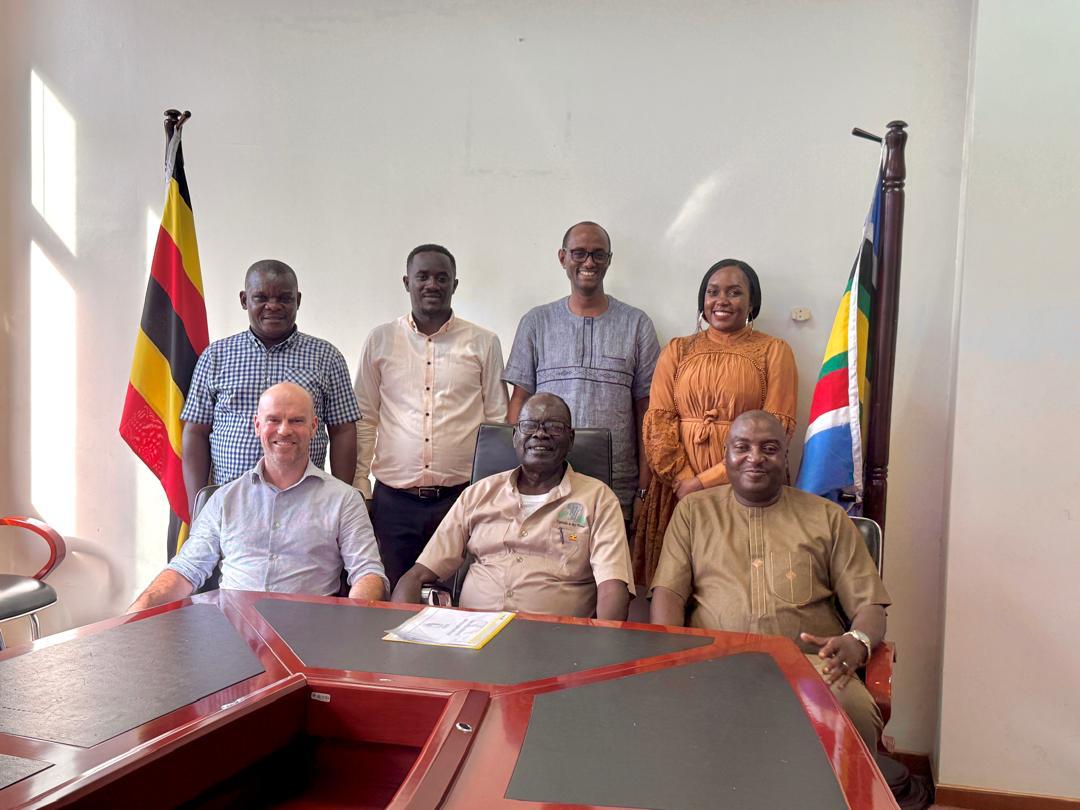
The AAIN delegation, led by its CEO Prof. Alex Ariho, and joined by Prof. Leith Deacon of the University of Guelph, held strategic discussions focused on identifying practical, scalable approaches to enhance food security and resilience.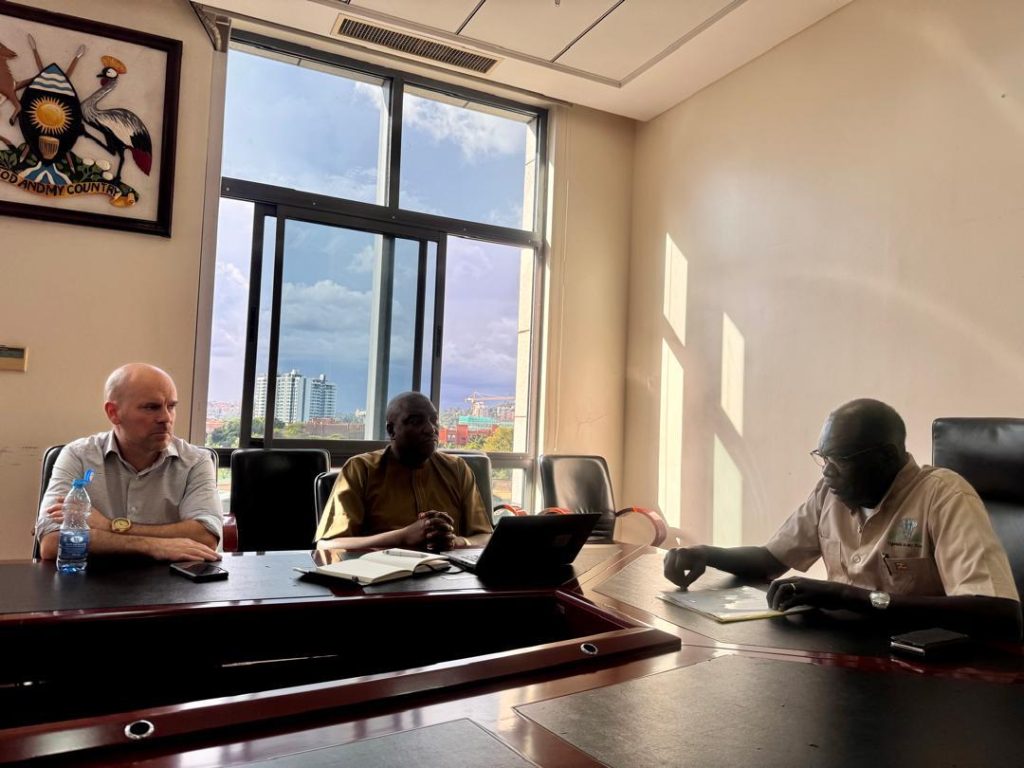
L-R: Prof. Leith Deacon of the University of Guelph, Prof. Alex Ariho CEO – AAIN, Eng. Hillary Onek, MP and Minister for Relief, Disaster Preparedness and Refugees during the high level partnership meeting.
Without delving into specific program details, the engagement underscored the importance of strengthening food systems through market-driven solutions, skills development, and incubation models that empower communities to build sustainable livelihoods. Particular attention was given to approaches that can create shared value for both refugee and host communities.
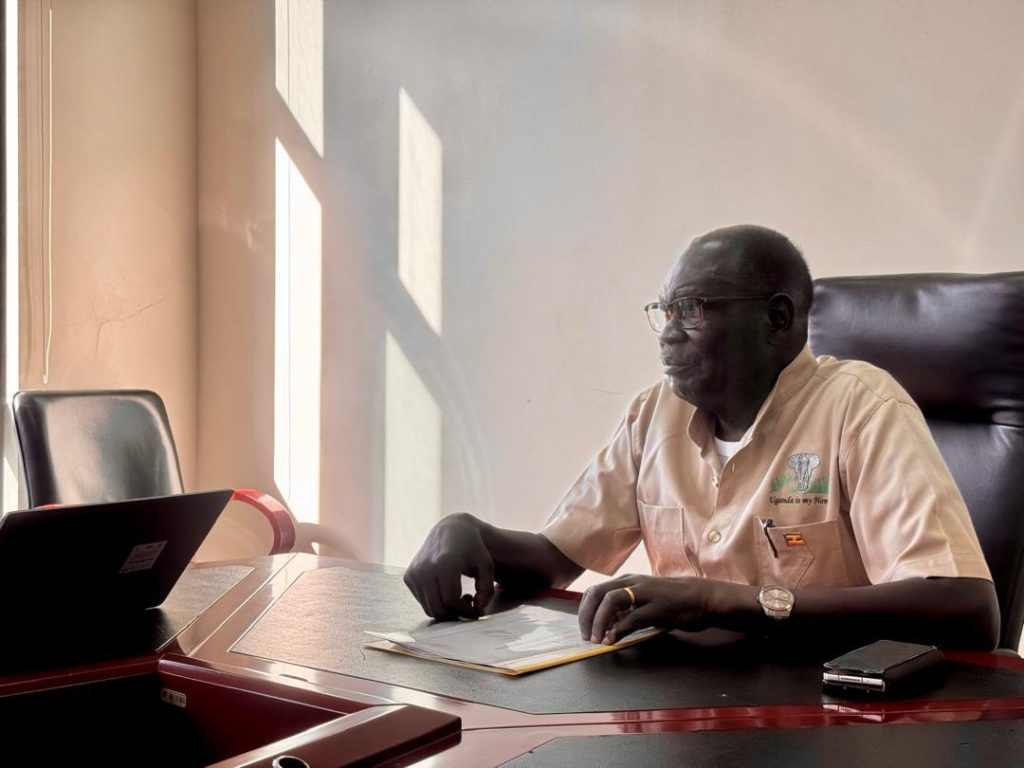
“Incubation offers a practical pathway to address unemployment in refugee settlements by equipping individuals with the skills to start and grow businesses, enabling them to save, invest, and build better livelihoods,” said Eng. Hillary Onek, MP and Minister for Relief, Disaster Preparedness and Refugees
The dialogue reflects a growing recognition of the role that agribusiness incubation and enterprise support can play in tackling complex development challenges, especially in vulnerable contexts.
“At AAIN, we believe that strengthening incubation systems and equipping communities with the right skills can unlock sustainable livelihoods and inclusive growth,” noted Prof. Alex Ariho.
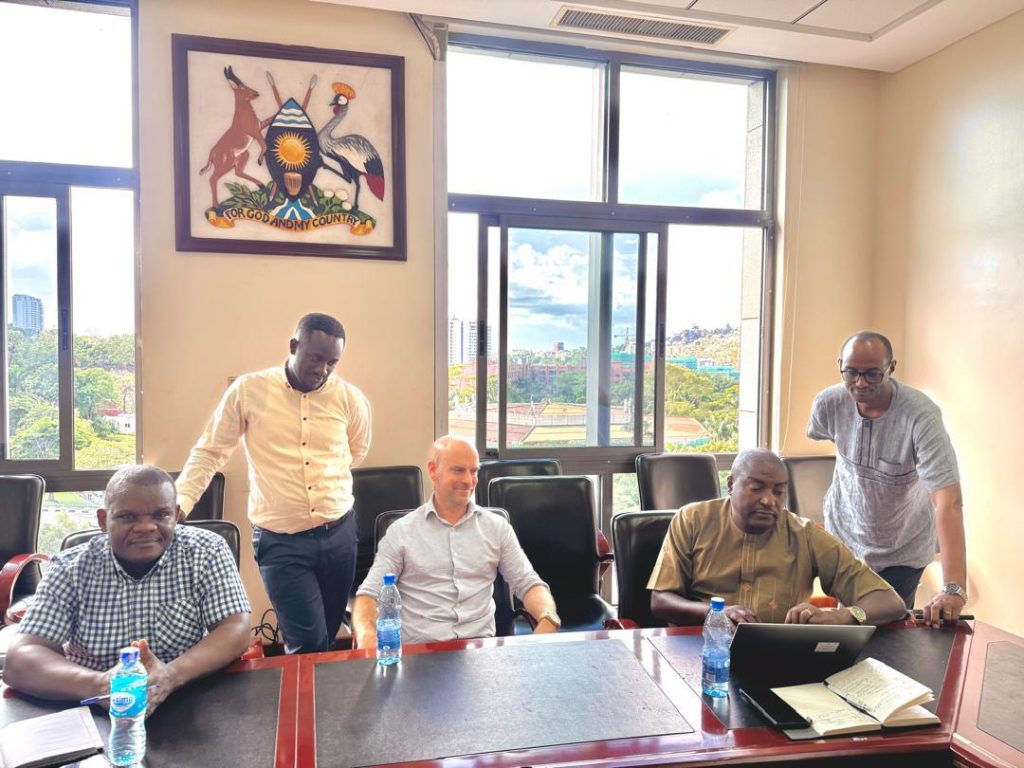
AAIN remains committed to working with government and partners to co-create inclusive, sustainable solutions that contribute to long-term food security, economic empowerment, and resilience. Further updates on this engagement will be shared in due course.