

Text by: Kadlah Nabakembo | Pictures: Enock Ampumuza
When people hear the word “incubation,” many think of chicken incubators, laboratories, or hospital nurseries where life begins under guided care. In business and innovation, the principle is similar. Incubation nurtures ideas, provides them with the right environment, mentorship, and tools, and helps them grow into sustainable enterprises that can thrive in the real world.
Business incubation is a structured process that supports entrepreneurs from idea conception to business growth and maturity. It provides an ecosystem of mentorship, networking, financing, and technical guidance that helps start-ups overcome the challenges of early development.
At its core, incubation is about transformation. It is the art of taking an idea and shaping it into a viable, competitive, and socially relevant business. — Prof. Alex Ariho, CEO, African Agribusiness Incubators Network (AAIN)
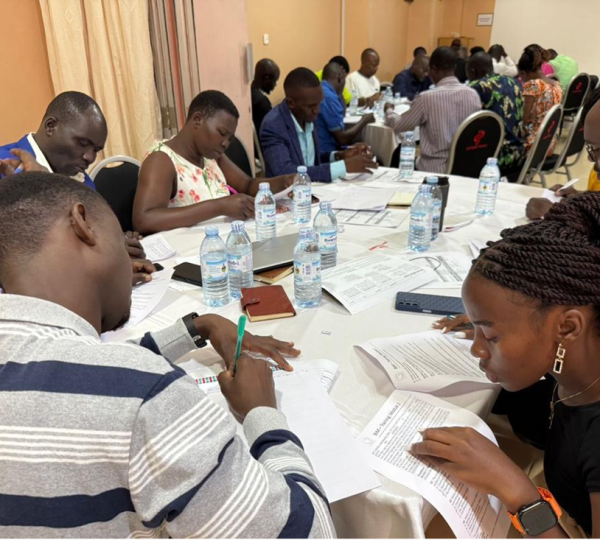
Incubation Beyond the Buzzword
For many, “incubation” might sound like just another development term. Yet, for thousands of young innovators and agripreneurs across Uganda and Africa, it represents a lifeline, a pathway from uncertainty to opportunity.
Incubators provide not just training but hands-on guidance, helping entrepreneurs test their ideas, understand market dynamics, and build resilience before stepping out into the competitive landscape.
Incubation is not just about training entrepreneurs; it is about shaping mindsets, building confidence, and exposing youth to a real ecosystem of opportunity.
— Phiona Katushabe, Skilling and Youth Specialist
Through this process, innovators refine their products, connect with mentors and investors, and develop businesses that create jobs, improve livelihoods, and strengthen the agrifood system.
AAIN’s Leadership in Uganda’s Incubation Landscape
Across Africa, incubation has emerged as a key driver of innovation and enterprise development. In Uganda, this transformation is being championed by the African Agribusiness Incubators Network (AAIN), the only organization accredited to train, certify, and accredit Business Incubation Management (BIM) professionals in the country.
AAIN has refined the Business Incubation Management (BIM) curriculum to fit Uganda’s entrepreneurial landscape, one that is youthful, dynamic, and agribased.
— Prof. Alex Ariho
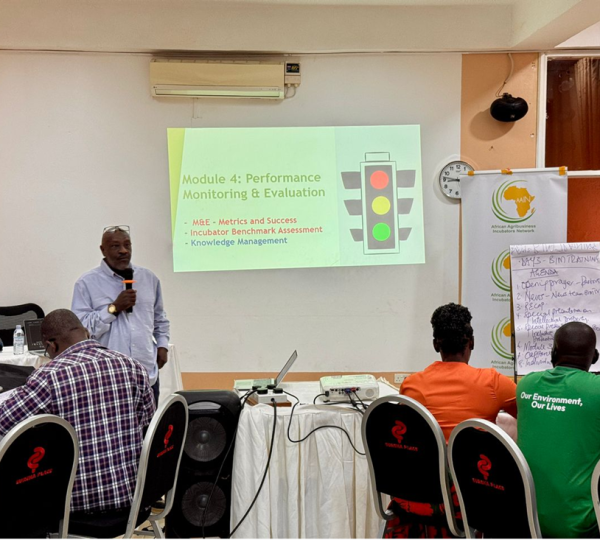
Through its accredited programs, AAIN equips incubator managers, trainers, and entrepreneurs with practical skills to build viable agribusiness enterprises. The revised BIM curriculum is locally grounded, incorporating Uganda’s agrifood realities, rural enterprise needs, digital innovations, and inclusive approaches for youth and women.
The revised curriculum helps us contextualize incubation to Uganda’s realities, from rural youth entrepreneurs to women-led agribusinesses that just need that structured push to thrive.
— Enock Ampuuza, BIM Specialist
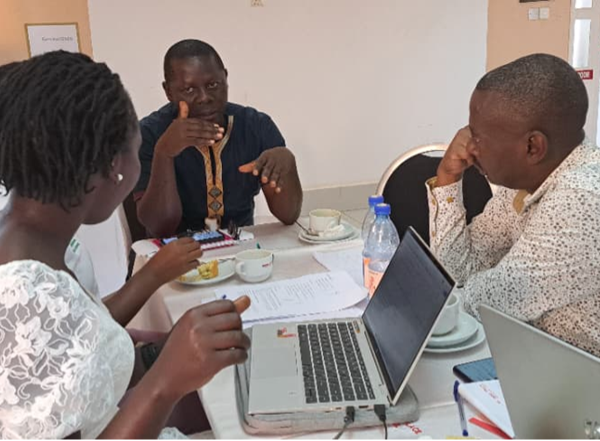
The Business Incubation Management (BIM) Executive Accreditation Course
The Business Incubation Management (BIM) Executive Accreditation Course is a 12-week blended program (144 contact hours) designed to professionalize and standardize incubation training across Africa. Developed by AAIN under the BIM Africa banner, the course responds to the urgent need for accredited frameworks that integrate business incubation into higher education and technical training systems.
Grounded in global best practices including World Bank/infoDev, UBI Global, the EU’s CSES benchmarking, and the African Union’s Model Law on Startups, BIM Africa equips policymakers, accreditation officials, curriculum planners, and industry leaders with the skills to design, accredit, and monitor incubation courses aligned with international standards.
Through BIM Africa, we are professionalizing incubation and ensuring that every trainer, incubator manager, and policymaker has the competence to deliver incubation that meets international quality.
— Kofi Aladin, Director – Finance, AAIN

Since 2014, AAIN, headquartered in Accra, Ghana, has built over 300 incubator hubs, supported 4,500+ enterprises, and established a membership base of 110+ institutions across African Union member states. Its mission is to “incubate incubators” by fostering entrepreneurial talent, leveraging science and technology, and building sustainable job and wealth creation systems.
“Monitoring and evaluation within incubation is about measuring transformation, how many lives and livelihoods have moved from dependency to productivity through our incubation ecosystem.”
— Kofi Adin
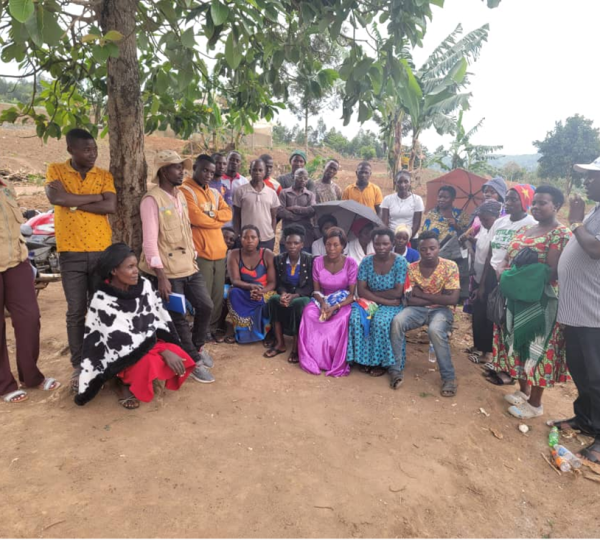
Why Communities Should Embrace Incubation
Every community has untapped potential waiting to be nurtured. Embracing incubation at the community level means creating opportunities for youth, women, and local innovators to thrive. It is about empowering people to solve local challenges through enterprise and innovation.
Each community should see incubation as an investment in its own growth. When young people are equipped with entrepreneurial skills and guided through structured incubation, the entire community benefits through job creation, innovation, and shared prosperity.
— Prof. Alex Ariho
AAIN’s BIM training promotes community-based incubators as local innovation hubs that support agripreneurs to increase productivity, add value, and access new markets.
When communities understand and adopt the BIM training, they build local capacity to support youth enterprises. It becomes a cycle of empowerment where knowledge and opportunity remain within the community.
— Clare Kyasimiire, Project Coordinator, AAINFrom a gender and inclusion perspective, incubation must intentionally bring women, persons with disabilities, and other marginalized groups into the innovation ecosystem. True transformation happens when everyone’s potential is nurtured.
— Dorcus Apio, Gender and Inclusion Officer, AAIN
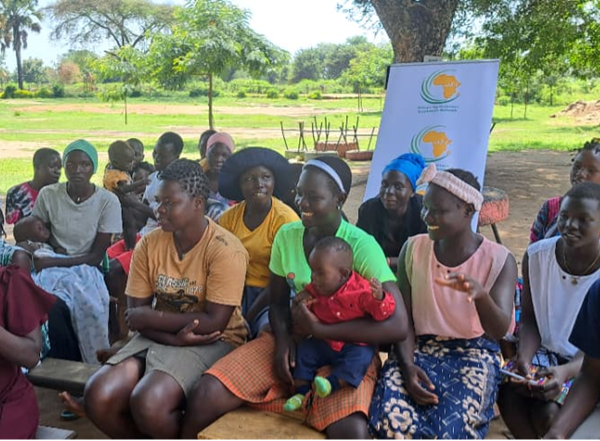
Youth as Drivers of the Incubation Movement
Uganda’s young population is its greatest resource, yet youth unemployment remains high. Incubation offers a practical pathway for young people to create their own opportunities within the agrifood system.
Incubation helps youth move from survival-based activities to structured entrepreneurship. It teaches them to turn their creativity into enterprises that can employ others.
— Phiona Katushabe
Through incubation, young entrepreneurs gain access to business development services, digital tools, mentorship, and markets that transform small ideas into scalable ventures.
Gender-responsive incubation gives young women the confidence to innovate, compete, and lead in sectors once dominated by men. When we incubate inclusively, we create an economy that works for everyone.
— Dorcus Apio, Gender and Inclusion Officer, AAIN
The Aspiring Incubator’s Perspective
As an aspiring incubator, I see incubation as a journey of empowerment and more than a development concept, it is a journey of empowerment. It means walking alongside innovators through their challenges and breakthroughs until their ideas find stability, success, and impact. Every success story is not just personal; it is a victory for the entire community.
— Kadlah Nabakembo, Communications and Public Relations Officer, AAIN
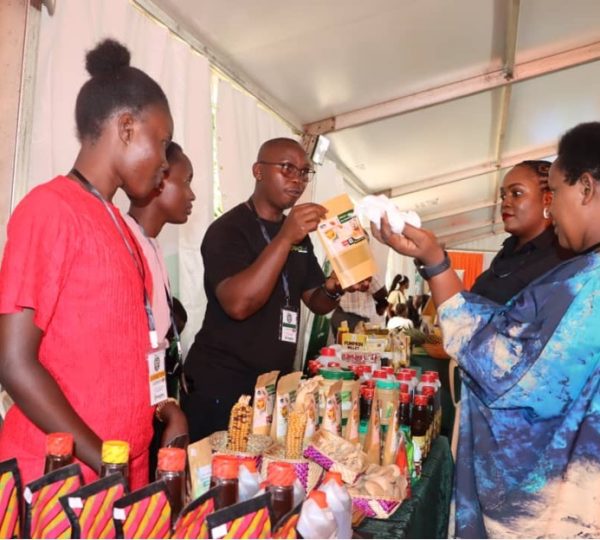
A Call to Action for Uganda’s Agrifood Ecosystem
As Uganda strengthens its agrifood systems, there is an urgent need for every community, institution, and development partner to embrace incubation. AAIN’s BIM training provides the foundation to establish professional and sustainable incubation structures across all value chains.
Our goal is to make incubation a movement that touches every district and every community in Uganda. When incubation becomes part of our local culture, the ripple effects will be felt across generations.
— Prof. Alex Ariho
Join the Movement – Become Part of Africa’s Incubation Revolution
Are you passionate about agribusiness innovation, youth empowerment, or enterprise development? Join the African Agribusiness Incubators Network (AAIN) and be part of a growing community of changemakers driving Africa’s transformation.
Whether you are an incubator manager, trainer, policymaker, or entrepreneur, the Business Incubation Management (BIM) Executive Accreditation Course is your opportunity to build capacity, connect with peers, and lead innovation in your community.
Become a member or register for the next BIM intake today!
Visit www.africaain.org or email info@africaain.org / info@aain.africa to learn more and sign up.