
Kampala, Uganda | 12 August 2026 | Text By Kadlah Nabakembo | Photos by Jero Farm
“I came when I didn’t know agriculture. Today, my family eats what I grow, people come to my home to buy vegetables, and I can see a business growing right in front of me.”
My name is Benita Mpenzi Mhigo. I am 32 years old, a Congolese refugee living in Bakuli, Rubaga, not far from the center of Kampala.
Like many young women, I have always wanted to work, earn my own income and take care of my family. Being close to Kampala, where there is so much business activity, I believed that if I could get some capital and start something, I would be able to make a living.
So, when I got some money, I invested it in a bedding business. I started selling bedsheets, pillows, duvets and other household items.
I tried my best to make the business work. It helped me meet some of my daily needs, but it was not bringing in enough profit. There were days when I would sit and wait for customers and make no sales at all. I knew I needed another opportunity, but I did not know what it would be.
One Forwarded Message Changed My Direction
One day, while I was on social media, a friend shared a forwarded message about free agribusiness training opportunities under the Sustainable Inclusive Youth Employment Pathways (SIYEP) programme.
There was a telephone number on the flyer. I copied it and called.
The number connected me to JERO Farm, located along Entebbe Road in Kisubi. I was immediately added to a group for young entrepreneurs and eventually started attending training at the farm.
When I arrived at JERO Farm, agriculture was completely new to me.
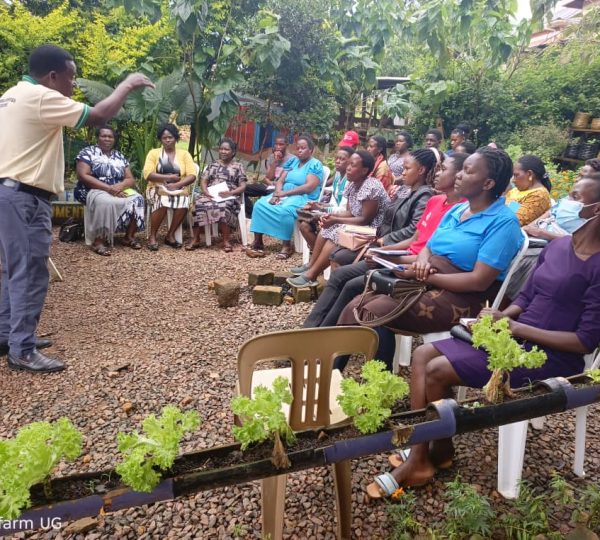
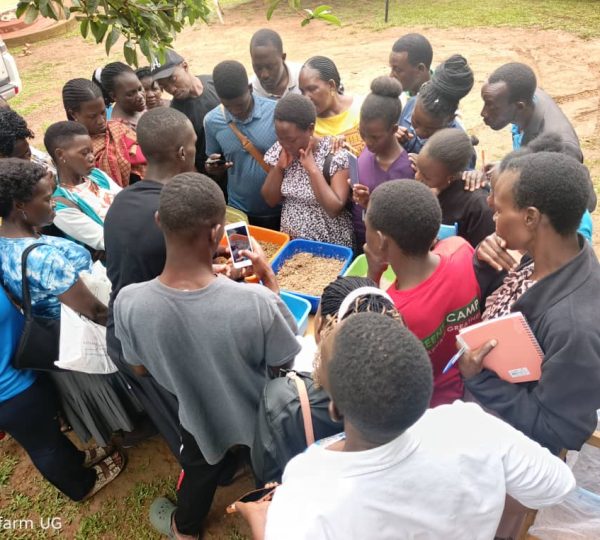
“I came when I didn’t know agriculture.”
I began learning about biodigesters, organic vegetable and spice production, fish farming, poultry and livestock rearing, among other agribusiness opportunities.
What excited me most was realizing that agriculture did not necessarily require me to own a huge piece of land before I could start. I could begin with what I had.
I Started With Three Tyres
After the training, I decided not to wait until I had everything.
At home, I found three old tyres and turned them into small gardens.
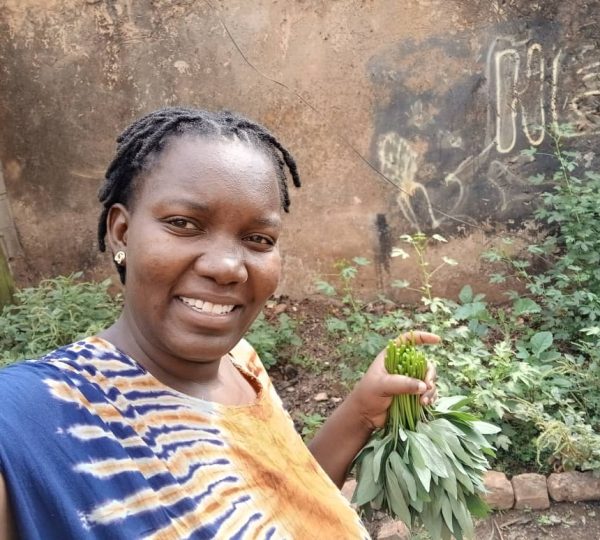
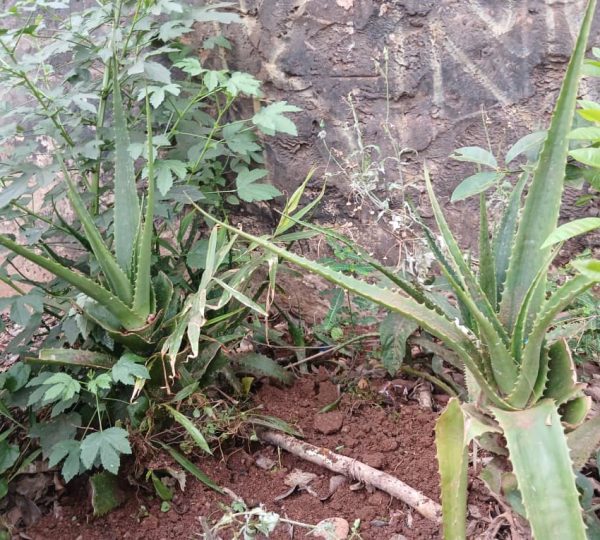
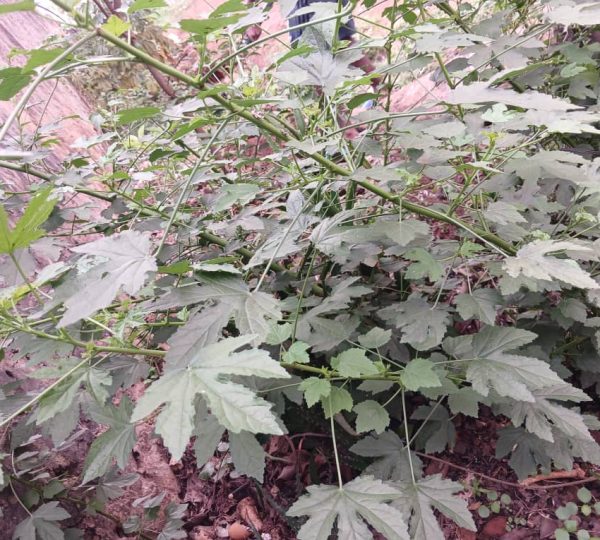
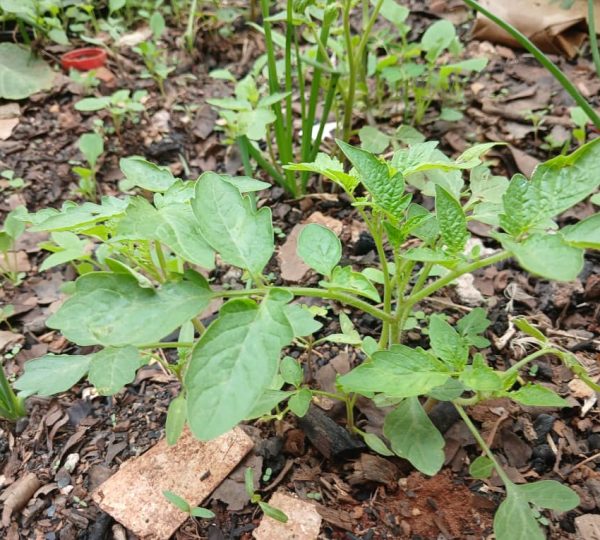
I planted vegetables and foods that my family could eat, including sombe (cassava leaves), celery, sukuma wiki, spring onions, pumpkin, sunsa and buga.
At JERO Farm, we had been taught how to grow vegetables organically, so I started applying those lessons at home.
Later, when I moved to a new place with more space, I expanded from three tyres to a backyard
That small decision has already changed something in my household.
Today, my family eats vegetables that I grow myself. I no longer have to buy everything from the market.
“I no longer stress about onions. They are right here in my compound.”
But it has gone beyond feeding my family. People have started coming to buy some of the vegetables I grow. I also grow Ngai Ngai, a delicacy familiar within the Congolese community. Recently, a customer came and bought all the Ngai Ngai I had available. That moment encouraged me.
Something I initially planted to feed my family was becoming something another person was willing to pay for.
The Opportunity Is Creating a Ripple Effect
For me, the biggest change is not yet about how much money I am making. I have only been participating in the programme for about five months, attending JERO Farm for three days each week. The bigger change is that I now see opportunities differently.
My small garden is reducing household food expenses. The surplus is creating an additional source of income. The skills I am gaining are helping me think about products I can eventually develop and sell. I am also learning how to market.
Whenever JERO Farm organizes exhibitions, I participate and help sell products made by entrepreneurs who are already further along in their businesses. I also use my TikTok account to market some of their products and earn a profit from the sales.
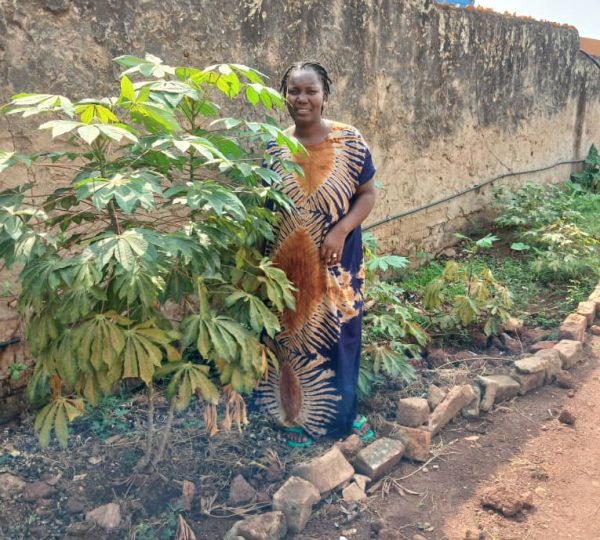
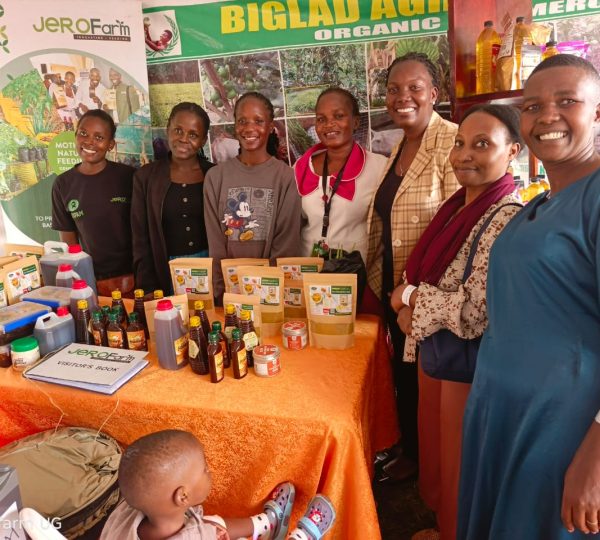
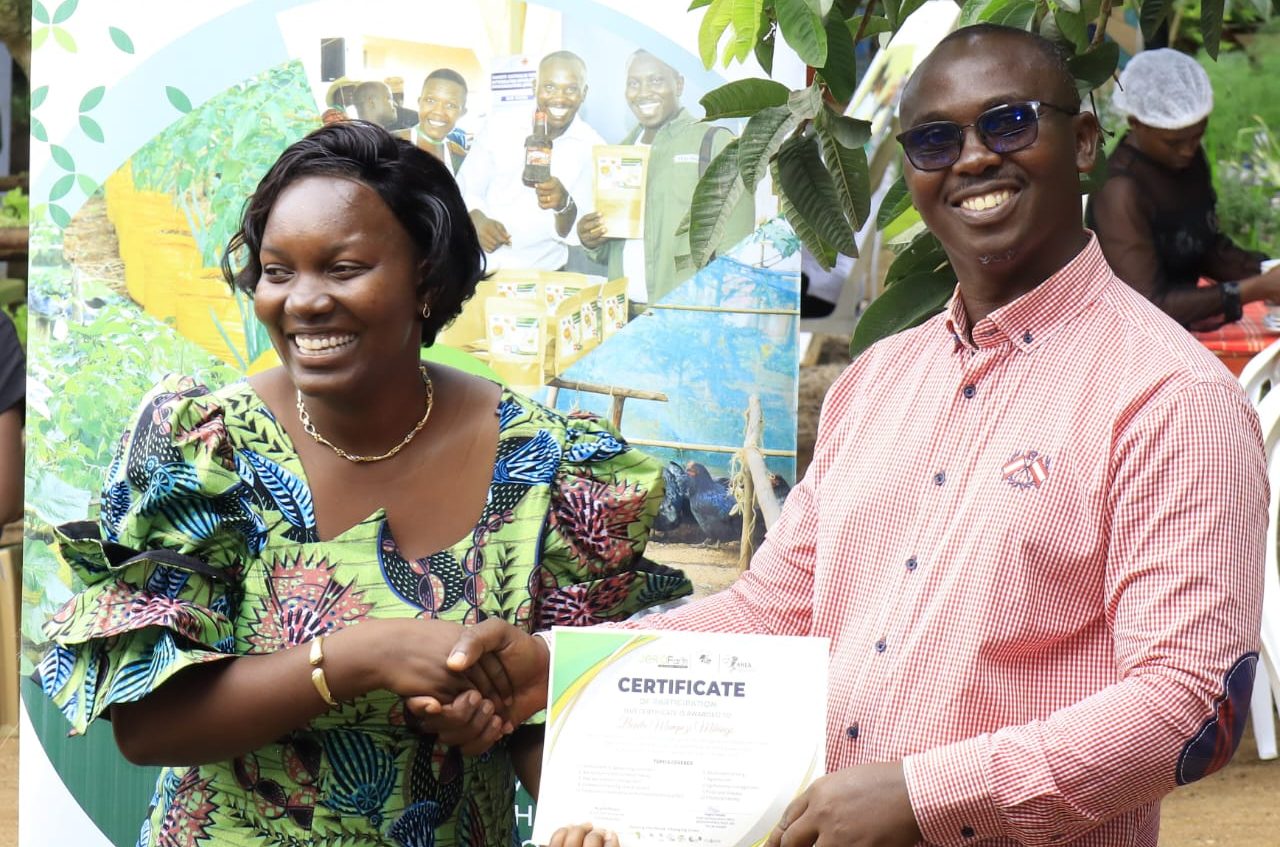
Mpenzi at one of the exhibitions, selling products made at JERO Farm gaining hands-on experience in customer service, marketing and sales as she prepares to take her own products to market.
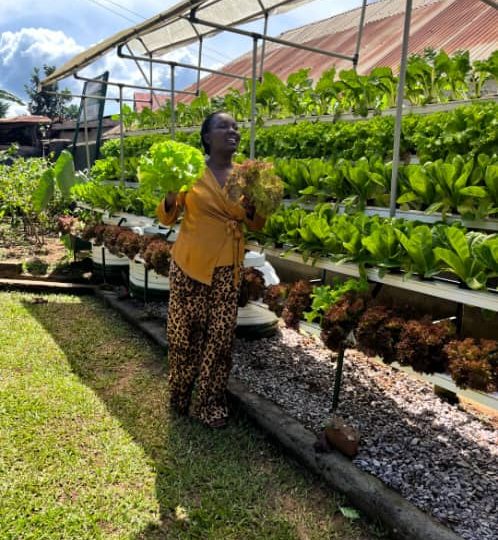
Mpenzi stands next to an aquaponics system at JERO Farm, where she receives hands-on agribusiness training and is gaining practical skills to turn agriculture into a pathway to sustainable income and self-employment.
Every time I sell somebody else’s product, I learn something about customers, marketing and business. And I tell myself: one day, I will be selling my own product.
The training has also changed the way I look at the plants and spices around me. Beyond food and income, I have learned about the traditional household uses of different herbs and spices and how families can incorporate them into everyday diets and well-being practices.
So, for me, the impact is spreading from one area of my life into another.
From skills to food. From food to savings. From surplus to sales. From selling to business experience. And from uncertainty to hope. I may not yet be making a lot of money from agribusiness, but I can see its potential.
“I am happier now, and I see hope. I know this business can work. I am learning, I am growing, and when I finally have my own product, I will already know how to take it to the market.”
From Skills to Decent Work
Mpenzi’s journey reflects the wider purpose of the Sustainable Inclusive Youth Employment Pathways (SIYEP) programme: enabling young women to gain practical, market-relevant skills and supporting them to translate those skills into sustainable livelihood and employment opportunities.
Through Anchor Incubators such as JERO Farm, AAIN is supporting young women to move beyond skills training and transition into decent work, self-employment and sustainable enterprises under the Sustainable Inclusive Youth Employment Pathways (SIYEP) programme. The programme is led by AFARD, working alongside seven implementing partners, including AAIN, in partnership with the Mastercard Foundation.
For Mpenzi, that transition has begun with something remarkably simple: Three tyres, a few vegetables and the courage to start. Today, those three tyres have become a backyard garden. And with every new plant she grows, every customer she serves and every skill she acquires, Mpenzi is cultivating much more than vegetables. She is cultivating possibility.